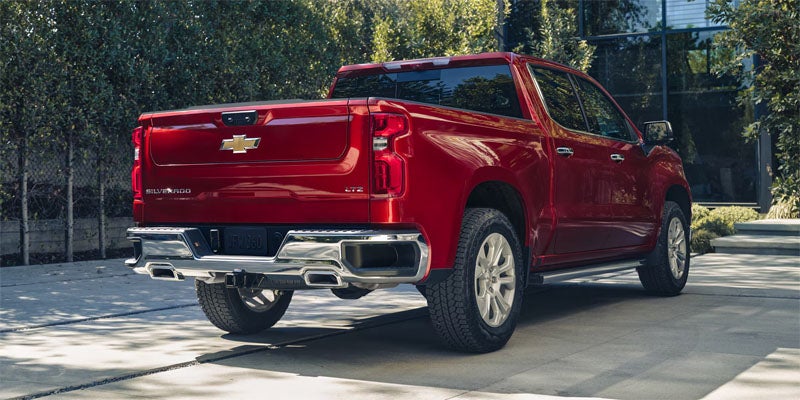
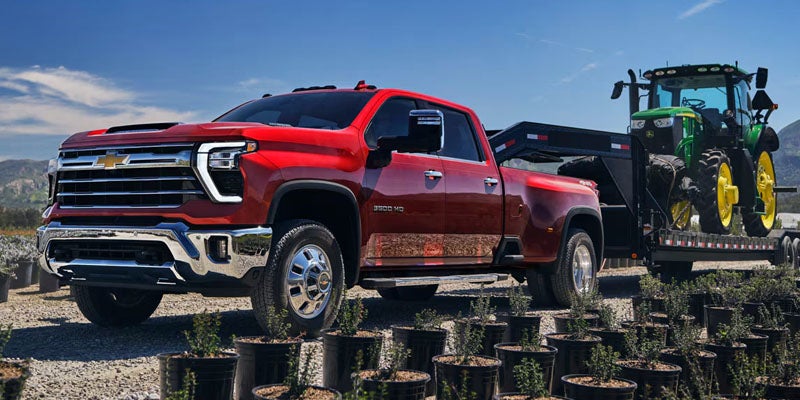
Lifted trucks look straightforward: take a pickup, move it farther away from the ground, add bigger tires, and enjoy the view. Mechanically, there is more going on. Changing ride height can affect suspension geometry, ground clearance, handling, tire fitment, alignment, fuel economy, and component wear. For Folsom, CA, shoppers considering a lifted Chevrolet Silverado or Colorado, the important question is not simply how high the truck sits. It is how the lift was accomplished and what compromises came with it.
Not Every Lift Does the Same Job
A lifted truck is a pickup modified to sit higher than its original factory height, typically through a suspension lift, body lift, or some combination of the two. A suspension lift changes the truck's suspension setup to increase height and clearance, while a body lift uses spacers to raise the cab and bed. Those approaches produce different results in clearance and handling and can require additional modifications. Before buying, find out which type of lift is installed, how much height was added, and which supporting components were changed along with it.
Ground Clearance Is Only Part of the Equation
The obvious benefit is additional clearance for rough terrain, deep ruts, and uneven trails. Lifting a truck can also create room for larger tires, which may provide additional traction in mud, sand, and loose gravel. That combination explains much of the attraction behind lifted Chevy trucks. But bigger tires and increased height should be viewed as part of a complete setup, not separate accessories. Tire size, suspension geometry, alignment, and the lift itself all influence how the finished truck behaves.
A Lift Changes More Than the Truck's Appearance
Raising a pickup changes its center of gravity, so handling can feel different from the stock configuration. Larger tires and additional weight can also reduce fuel efficiency. Suspension modifications may require more frequent alignment checks, and certain components can experience accelerated wear depending on the setup. Insurance deserves attention before purchase as well, since modifications can affect coverage and premiums. None of these considerations automatically make a lifted truck a poor choice. They simply mean buyers should understand what was changed instead of judging the truck by tire size and stance alone.
Start With the Truck That Fits the Job
Choosing the correct base truck matters before choosing lift height. The Chevrolet Silverado 1500 offers a capable suspension and broad trim selection, making it a popular platform for lifted builds. Silverado HD models make more sense for shoppers who also need serious towing or hauling capability. The Colorado provides a smaller alternative for buyers interested in a moderate lift for road use and weekend trail driving. Decide what the pickup needs to accomplish first, then choose the Chevrolet platform and lift configuration around that job.
Stock or Pre-Lifted Comes Down to Knowing the Build
Buying a new stock Chevrolet and having it professionally lifted gives the owner control over the components, lift style, and resulting setup while also providing a known vehicle history. A pre-lifted truck eliminates the waiting and installation process, but buyers need to know who performed the work and which components were installed. Inspecting the suspension, tires, alignment, and overall condition becomes especially important with a modified used truck. A lift is only as good as the parts and workmanship supporting it.
Build From the Right Foundation in Folsom
Folsom Chevrolet offers Silverado and Colorado models for Folsom, CA, shoppers considering a lifted-truck build. Explore the dealership's available truck inventory to compare platforms, configurations, and capability before deciding which Chevrolet makes the best starting point.
Schedule a test drive online to experience the base truck first, then determine how a lift fits the way you plan to use it.